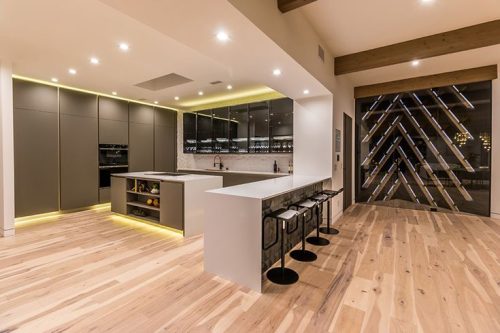
How to Prepare Your Home for New Flooring Installation in DFW
Getting new flooring is one of the easiest ways to change the look and feel of your home. But before the first plank, tile, or hardwood board is installed, a little preparation can make the entire project easier.
For homeowners in Southlake, Keller, Colleyville, Grapevine, Westlake, Trophy Club, and surrounding DFW communities, preparing the space properly can help protect your belongings, reduce delays, and give your flooring installation team the access they need to do the job correctly.
Here is what you should do before your new flooring installation begins.
1. Remove Furniture From the Installation Area
The first step is to clear furniture and personal belongings from the rooms where flooring will be installed.
Small items such as lamps, decorations, plants, electronics, and floor-standing shelves should be removed before the installation team arrives. Larger furniture may also need to be moved depending on the flooring project and the installation requirements.
Having the room ready can help the installation process move more efficiently.
If you are replacing flooring throughout several rooms, consider creating a temporary area where furniture and household items can be stored during the project.
2. Remove Fragile and Valuable Items
Even when professional installers take care around your belongings, flooring installation involves movement, tools, materials, and equipment.
Remove fragile items such as:
-
Glass decorations
-
Artwork
-
Collectibles
-
Table lamps
-
Electronics
-
Small antiques
-
Valuable personal items
For valuable or particularly delicate belongings, it is better to store them in another part of the house until the project is completed.
3. Clear Closets and Cabinets When Necessary
Depending on the flooring design and where the new material will be installed, closets may also require preparation.
If flooring will extend into closets, remove shoes, boxes, clothing stored on the floor, and other items that could interfere with the installation.
You may not need to completely empty every closet, but keeping the lower areas accessible can make the work easier.
4. Decide What Will Happen With Existing Flooring
Before installation starts, homeowners should know whether the existing flooring will be removed or whether the new flooring can be installed over the existing surface.
This depends on several factors, including:
-
Existing flooring material
-
Condition of the subfloor
-
Moisture concerns
-
Floor height
-
Manufacturer installation requirements
-
Type of new flooring
Some flooring materials can be installed over an existing surface in certain situations, while others require removal of the old flooring first.
A professional flooring assessment can help determine the appropriate approach for your home.
5. Prepare for Subfloor Inspection
The surface underneath your flooring is just as important as the flooring material itself.
Once existing flooring is removed, installers may discover issues such as uneven areas, damaged sections, moisture-related problems, or other conditions that need attention before new flooring can be installed.
A properly prepared subfloor helps provide a stable foundation for the finished floor.
If repairs or preparation are required, addressing them before installation can help prevent problems with the new flooring later.
6. Protect Items That Cannot Be Moved
Some furniture, built-in features, and appliances may remain in place during certain flooring projects.
When something cannot be removed from the work area, discuss it with your flooring installer before installation begins.
Depending on the project, protective materials may be used around remaining items and nearby areas.
It is also a good idea to remove valuable or fragile objects from adjacent rooms, especially when the installation covers a large part of the home.
7. Plan for Doors and Floor Height
New flooring can sometimes change the finished height of a floor.
This may affect doors, transitions between rooms, baseboards, or other areas where the new flooring meets an existing surface.
During the planning stage, ask your flooring professional whether the selected material could affect:
-
Interior doors
-
Entry doors
-
Floor transitions
-
Baseboards
-
Cabinets
-
Stairs
Planning for these details before installation can help avoid surprises during the project.
8. Keep Pets and Children Away From the Work Area
Flooring installation can involve tools, adhesives, cutting equipment, construction materials, and open work areas.
For safety and convenience, keep children and pets away from the rooms being renovated.
If you have pets, consider setting up a comfortable temporary area away from the installation zone. This can also prevent pets from walking across newly installed flooring before it is ready for normal use.
9. Make a Plan for Your Daily Routine
If flooring is being replaced in a bedroom, kitchen, hallway, or other frequently used area, think about how you will use the home while the work is underway.
For larger projects, you may want to temporarily rearrange:
-
Sleeping arrangements
-
Kitchen access
-
Dining areas
-
Home office equipment
-
Entertainment areas
A little planning can make a multi-room flooring project much less disruptive.
10. Keep the Installation Area Accessible
Your flooring installation team needs enough space to bring materials, tools, and equipment into the home.
Before installation day, clear pathways from the entrance to the rooms being renovated.
Move unnecessary objects from hallways and entry areas and make sure the installers can easily reach the work area.
For homes in Southlake and throughout the DFW area, this is especially useful when large quantities of flooring materials need to be brought into the property.
11. Confirm the Flooring Material Before Installation
Before work begins, confirm that the flooring material, color, pattern, and finish match what you selected.
This is particularly important for materials with natural variation, including hardwood and certain tile products.
For example, natural materials can have differences in grain, tone, texture, or pattern. Reviewing the material before installation gives you an opportunity to make sure everything matches your expectations.
12. Ask About Post-Installation Care
Different flooring materials have different care requirements.
Before the installation is complete, ask about the recommended cleaning products, furniture placement, maintenance routine, and any restrictions immediately after installation.
For example, some flooring products may have specific requirements regarding cleaning, moisture, or when furniture can be returned to the room.
Following the manufacturer's care recommendations can help protect your investment.
Preparing for Flooring Installation in Southlake and DFW
New flooring can transform a home, but the installation process starts before the materials are placed on the floor.
Removing furniture, protecting valuable belongings, preparing the subfloor, clearing access paths, and planning your household routine can help make the project more organized from beginning to end.
If you are planning a flooring project in Southlake, Keller, Colleyville, Grapevine, Westlake, Trophy Club, or the surrounding DFW area, professional planning and proper preparation can help you get better results from your new floors.
Contact Southlake Floors TX to discuss your flooring project and determine the right preparation steps for your home.